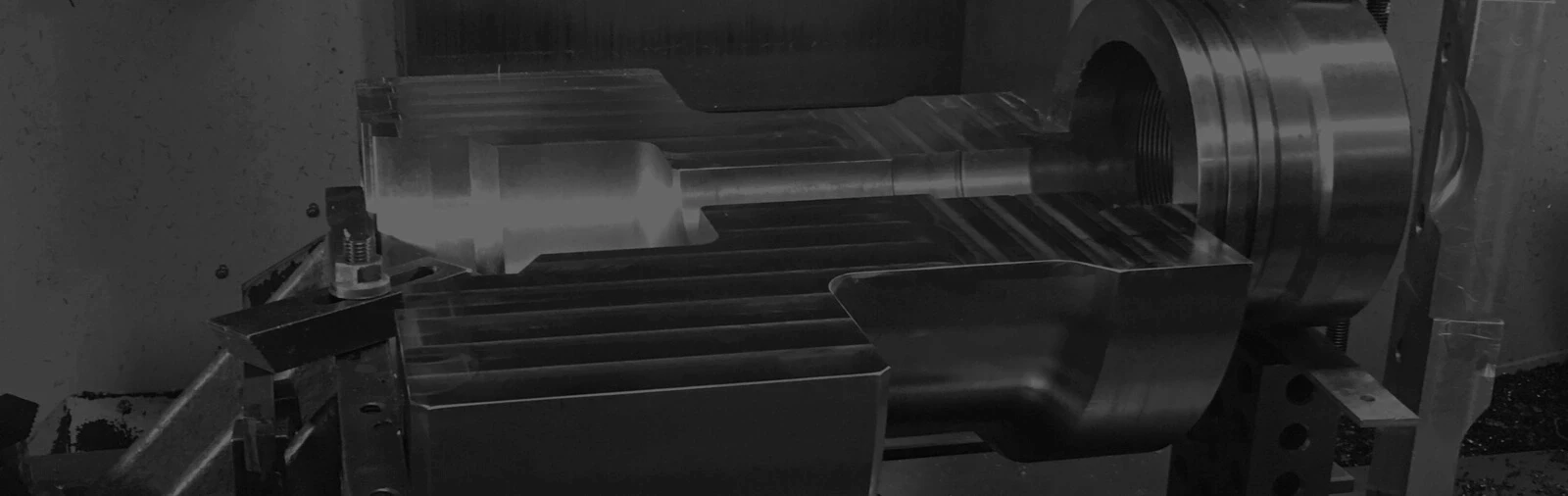
Manufacturers today face increasing pressure to deliver components that are lightweight, heat-resistant, and dimensionally accurate. Graphite Machining has become a critical solution for industries that require tight tolerances and reliable performance under extreme conditions. From aerospace assemblies to semiconductor systems, graphite components are essential for modern engineering applications.
This article explains how graphite machining supports high-precision industries, the advantages of using graphite as a material, and why professional machining services are vital for consistent quality and performance.
What Makes Graphite Ideal for Precision Applications
Graphite stands out because of its unique physical and chemical properties. It offers exceptional thermal resistance, strong electrical conductivity, low thermal expansion, and high corrosion resistance. These features make it suitable for environments where metals may fail due to heat distortion or chemical reactions.
Another important benefit of graphite is its lightweight nature. In aerospace and energy applications, reducing weight without sacrificing strength improves efficiency and overall system performance. Graphite maintains its structural stability even at extremely high temperatures, making it reliable for demanding operations.
However, graphite is also brittle and abrasive. This means machining it requires specialized tools and techniques to prevent cracking, chipping, or dimensional errors.
The Complete Graphite Machining Process
The graphite machining process begins with selecting the appropriate graphite grade. Different applications require specific densities and grain structures. Fine-grain graphite is often preferred for intricate designs because it allows smoother finishes and tighter tolerances.
Engineers use advanced CAD software to design components with precision. CNC programming ensures accurate cutting paths and reduces the risk of human error. During machining, high-speed CNC equipment carefully mills, drills, and shapes the graphite into the required form.
Because graphite produces fine dust, modern facilities incorporate advanced dust extraction systems to protect equipment and maintain a clean production environment. After machining, each component undergoes thorough inspection to verify dimensional accuracy and surface quality.
Maintaining strict quality standards throughout the process ensures reliable performance in critical applications.
Importance of Tight Tolerances in Graphite Components
Precision is essential when working with graphite components. Many parts are used in systems where even small deviations can affect overall performance. For example, in semiconductor manufacturing, graphite fixtures must align perfectly to ensure consistent production results.
Similarly, aerospace components exposed to high temperatures must retain exact dimensions to maintain structural integrity. Any deviation can compromise safety and efficiency.
Professional machining services rely on high-precision CNC machines and inspection tools such as coordinate measuring systems to guarantee consistent results. This commitment to accuracy ensures that every component meets strict industry requirements.
Applications of Graphite Machining Across Industries
Graphite machining supports a wide range of high-tech industries. In aerospace, graphite parts are used in heat shields, nozzles, and structural components that face extreme temperatures. The electronics industry depends on graphite for semiconductor processing equipment and EDM electrodes.
Energy production systems also rely on graphite components because of their excellent conductivity and resistance to thermal stress. Industrial furnaces use graphite fixtures that can endure repeated heating cycles without losing performance.
During manufacturing discussions, engineers often evaluate material options and recognize how Carbon Machining solutions provide superior durability and precision for specialized applications. This comparison highlights the flexibility and strength of carbon-based materials in advanced engineering.
Benefits of Professional Graphite Machining Services
Partnering with an experienced machining provider offers significant advantages. Professional facilities are equipped with specialized tools designed specifically for graphite. This reduces tool wear and ensures clean, accurate cuts.
Advanced machining centers can handle complex geometries and custom designs while maintaining tight tolerances. Experienced machinists understand how to minimize material stress and prevent damage during processing.
Reliable service providers also offer design consultation. By working closely with clients, they help optimize part geometry for performance and cost-efficiency. This collaborative approach leads to better long-term results.
Quality Control and Inspection Standards
Quality control plays a central role in graphite machining. After manufacturing, each component is carefully inspected to verify dimensions, surface finish, and structural integrity.
Inspection tools such as digital calipers, micrometers, and coordinate measuring machines confirm that every part meets required specifications. Consistent quality assurance reduces production risks and ensures dependable performance in real-world applications.
Maintaining strict inspection standards is particularly important for industries such as aerospace and electronics, where reliability is critical.
Innovations Shaping the Future of Graphite Machining
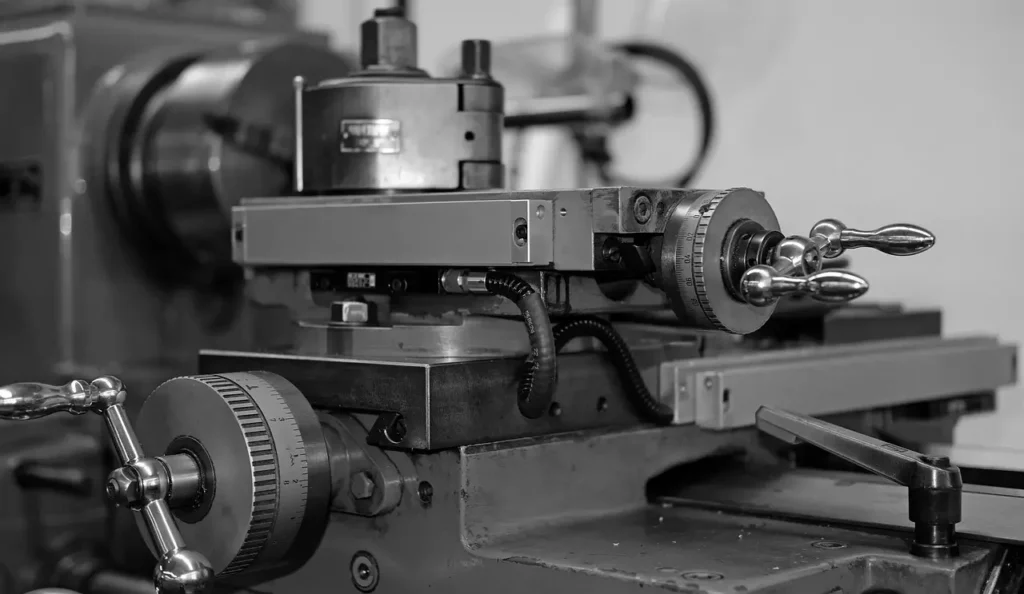
Technological advancements are continuously improving graphite machining capabilities. Modern CNC systems offer enhanced speed and accuracy, allowing manufacturers to produce more complex designs with minimal waste.
Automation and smart manufacturing technologies are also increasing production efficiency. Improved dust management systems enhance workplace safety while protecting equipment from contamination.
As renewable energy systems, electric vehicles, and advanced electronics continue to grow, the demand for high-accuracy graphite components is expected to increase significantly. Investing in precision machining solutions ensures businesses remain competitive in evolving markets.
Conclusion
Graphite machining has become an essential part of modern precision manufacturing. Its ability to produce lightweight, heat-resistant, and dimensionally accurate components makes it invaluable across aerospace, electronics, and energy industries.
By combining advanced CNC technology, specialized tooling, and strict quality control, professional machining services deliver reliable graphite parts that meet tight tolerances. As industries continue to demand higher performance materials, graphite machining will remain a cornerstone of innovative manufacturing solutions.
Frequently Asked Questions
What is graphite machining used for?
Graphite machining is used to create high-precision components for aerospace, semiconductor manufacturing, energy systems, and industrial furnaces where heat resistance and conductivity are essential.
Why does graphite require specialized machining techniques?
Graphite is brittle and produces fine dust during processing. Specialized CNC equipment, cutting tools, and dust extraction systems are necessary to maintain precision and safety.
How can businesses ensure high-quality graphite components?
Businesses can ensure quality by partnering with experienced machining providers that use advanced CNC technology, main
