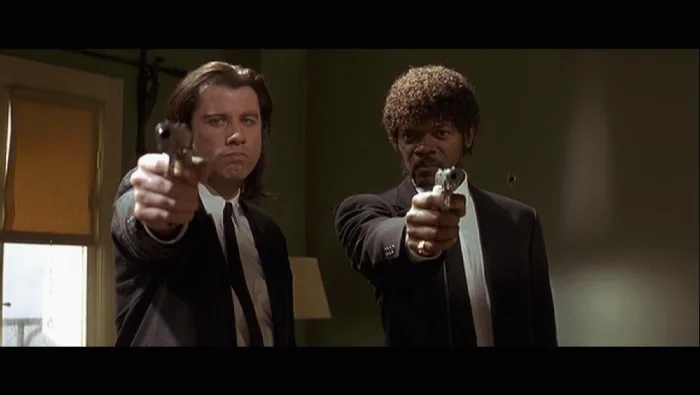
Quick Answer: Pop culture references are mentions of widely recognized cultural moments, characters, phrases, or events drawn from film, television, music, sports, or internet culture. They work as shorthand communication between people who share the same cultural knowledge. In 2025, pop culture references spread faster than ever through TikTok, Reddit, and streaming platforms, making them one of the most powerful tools in writing, marketing, and everyday conversation.
Pop Culture References Are Not Just Jokes. They Are a Language.
Most people treat pop culture references like seasoning. A little sprinkle of SpongeBob here, a quick Marvel callback there, and suddenly your content feels relatable.
That’s not wrong. But it undersells what’s actually happening.
When someone drops a well-timed Office reference in a work email and three colleagues immediately laugh, that’s not just a joke landing. That’s a social signal. It says: we watched the same things, we share the same frame of reference, we belong to the same cultural moment. Psychologists call this parasocial bonding. The rest of us just call it vibes.
Pop culture references function as compressed communication. One line from The Dark Knight carries more emotional weight than two paragraphs explaining moral complexity. A single Beyonce lyric in the right context signals an entire worldview. That compression is why good writers use references deliberately and why bad writers lean on them as a crutch.
How the Internet Changed the Half-Life of a Reference
Before streaming and social media, a pop culture reference had a predictable lifespan. Saturday Night Live sketches peaked in water-cooler conversations by Tuesday. Movie quotes circulated for years before fading. The Simpsons built an entire generation’s vocabulary over three decades.
TikTok broke that model completely.
A sound clip from a 2003 reality show can become the dominant meme format of a given week in 2025, with zero warning and no promotional budget behind it. The reference cycle now runs in days, sometimes hours. What that means practically is that writers, marketers, and content creators face a harder calibration problem than they did ten years ago. A reference that lands perfectly in January might read as dated by March.
Why Pop Culture References Work So Well in Writing and Content
Here’s something that rarely gets said directly: pop culture references are a shortcut to earned emotion.
Consider two versions of the same sentence.
Version one: “The project felt like it would never end and everyone on the team was exhausted and demoralized.”
Version two: “By week six, we were all in our Frodo-carrying-the-ring-up-Mount-Doom era.”
The second sentence does more work. It communicates exhaustion, burden, team solidarity, and dark humor in one image. Anyone who watched The Lord of the Rings gets it instantly. The reference replaces exposition.
That’s the core mechanic. Pop culture references borrow emotional equity that the original work already built with its audience.
The Risk of Getting the Reference Wrong
Misfire a reference and you lose credibility fast.
Misquoting a famous line is the classic version of this. Millions of people believe Darth Vader says “Luke, I am your father” in The Empire Strikes Back. He actually says “No, I am your father.” Using the wrong version signals that you’re performing familiarity rather than actually possessing it. Audiences notice. They always notice.
Worse is using a reference to a piece of media with a complicated cultural legacy. Quoting a creator who has since been involved in controversy carries baggage the reference didn’t originally have. The reference lands but the association follows it.
Timing matters just as much as accuracy. A Game of Thrones reference that would have killed in 2016 reads differently now that the final season permanently altered how people feel about the show.
The Pop Culture References That Have Defined 2024 and 2025
Some references transcend their source material and become part of general vocabulary. These are the ones worth understanding right now.
Kendrick Lamar’s “Not Like Us” did not just win a rap beef. It became the reference point for any situation involving a decisive, public rebuke. Sports Twitter used it within 48 hours. Marketing accounts followed. The phrase absorbed meaning beyond music almost immediately.
Taylor Swift’s Eras Tour generated its own internal reference ecosystem. Fans built entire communication systems around setlist variations, friendship bracelets, and album-era fashion. Non-fans learned the vocabulary anyway because the cultural saturation made it unavoidable.
The Marvel Cinematic Universe continues operating as a shared reference library, though the signal has weakened since Avengers: Endgame. Referencing a Phase Four or Five project now requires more explanation than referencing anything from Phase One through Three. The shared fluency has fragmented.
SpongeBob SquarePants remains the most durable meme generator in internet history. No other piece of media has maintained consistent reference utility across three different internet generations.
How to Use Pop Culture References Without Looking Desperate
Authenticity is the only real rule.
Reference things you actually consumed, not things you think your audience wants to hear about. Readers can feel the difference between a writer who genuinely loves a piece of media and a writer who ran a quick Google search for “popular shows 2025” before dropping a reference.
Specificity beats generality every time. “Like something out of a Netflix show” means nothing. “Like the tunnel scene in Stranger Things Season 1” means something specific and signals genuine knowledge.
One precise reference beats five vague ones. Always.
The best pop culture references are not the loudest ones. They are the ones that make a specific reader feel briefly seen, like the writer reached through the screen and said “I know you got that reference and I put it there for you.”
That’s the whole point.
Pop culture references are one of the oldest communication tools humans have. Every generation builds a shared library of stories, characters, and moments that become the vocabulary of that era. The references change. The function never does.
Learn the references your audience actually cares about. Use them with precision. That is the only advice that stays true regardless of what is trending.
