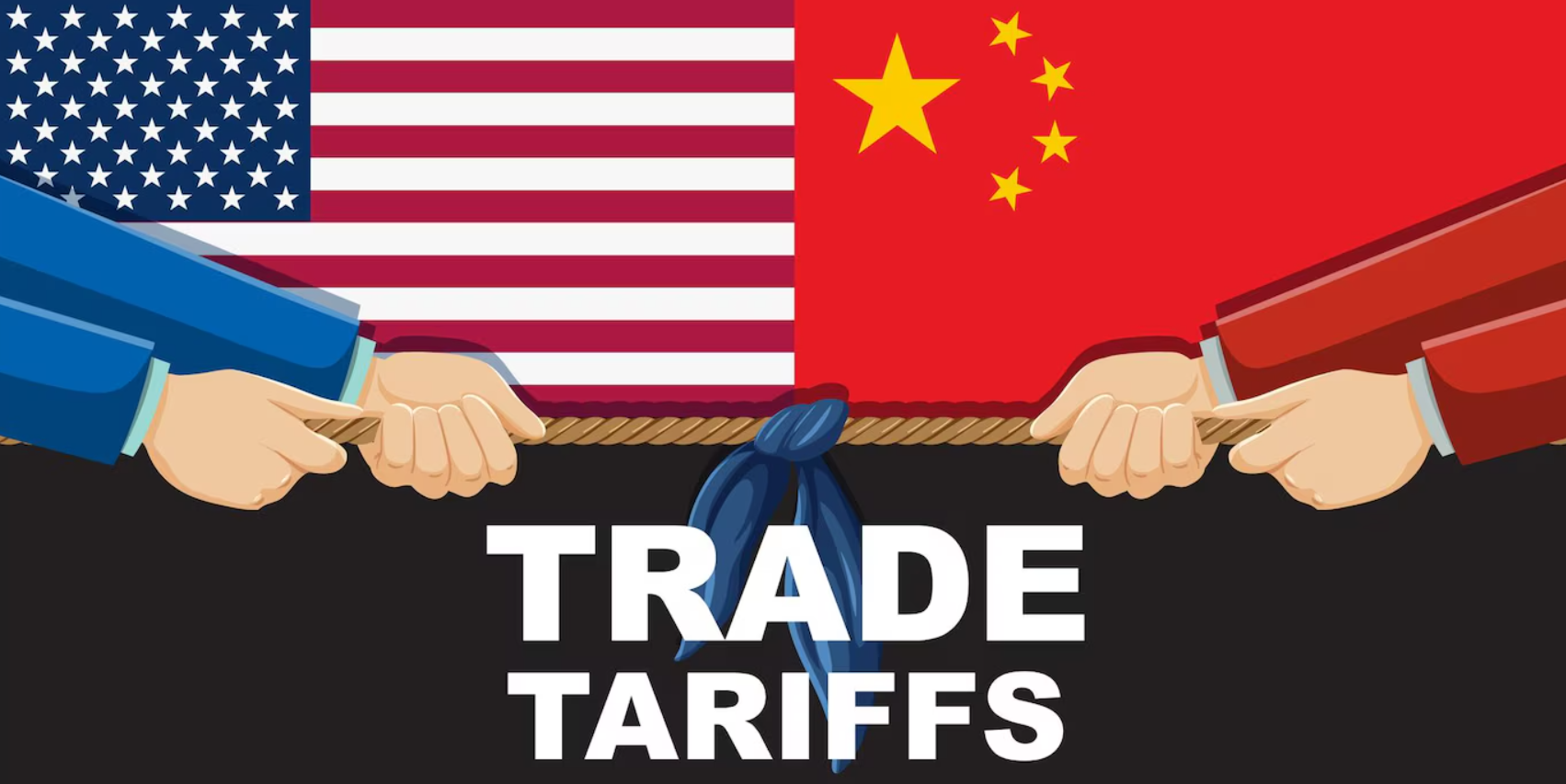
Imagine waking up to find your favorite affordable gadget suddenly costs twice as much.
That’s not a far-fetched scenario—it’s something that could soon impact you, especially if you’re a student, beginner in business, or a small business owner.
Why? Because the U.S. government just announced tariffs as high as 245% on Chinese imports, according to the latest White House Fact Sheet. That’s a big deal. But don’t worry—let’s break it down together in simple terms.
🔍 What Are Tariffs, Really?
Think of tariffs as a kind of “tax” on stuff coming from other countries.
Let’s say you buy a T-shirt from China for $10. If a 245% tariff is added, that shirt now costs $34.50. That extra $24.50 doesn’t go to the seller—it goes to the U.S. government.
So why add such a huge tax? Let’s dive into that.
🇺🇸 Why Is the US Adding These Tariffs on China?
According to the White House Fact Sheet, the US is increasing tariffs to:
-
Protect American industries like electric vehicles and steel
-
Reduce reliance on Chinese manufacturing
-
Encourage local production
-
Respond to unfair trade practices by China
Real-Life Analogy:
Imagine you’re a student selling handmade phone covers. Suddenly, a big factory in China starts selling the same covers for dirt cheap. Your business suffers. That’s what the U.S. wants to prevent—protecting the little guys here.
📦 What Products Will Be Affected?
The new tariffs will mainly hit:
-
Electric Vehicles (EVs) – up to 100% tariff
-
Steel and Aluminum – big price hikes
-
Solar panels
-
Batteries and battery parts
-
Medical supplies
-
Some technology and electronics
So, if you’re into tech, green energy, or manufacturing—this is big news.
👩🎓 What It Means for Beginners and Students
You might think, “I don’t import stuff. Why should I care?”
Here’s why:
-
Higher prices for phones, laptops, gadgets
-
Fewer cheap electronics and accessories
-
Potential job shifts in the global supply chain
-
If you’re studying business or economics—this is a case study in the making
It’s not just political talk. It’s something you’ll see in your wallet.
👨💼 How Small Business Owners Could Be Impacted
If you run a small shop or sell online (say, via Amazon or Flipkart), and your products or parts come from China:
-
You may need to rethink suppliers
-
Costs could go up, affecting profit margins
-
Customers might complain about higher prices
-
You might consider “Made in India” or “Made in USA” alternatives
Example:
Priya runs a mobile accessories business. Most of her products come from Shenzhen, China. With a 200%+ tariff, her $2 headphone imports now cost over $6. She either raises prices or cuts her earnings. Tough choice.
📈 The Bigger Picture: US-China Trade Tension
This isn’t the first time we’ve seen a trade showdown between the US and China. But 245% is unusually high. It signals serious concern from the White House about China’s dominance in key sectors.
This move could:
-
Shift global supply chains
-
Push companies to move factories to countries like India, Vietnam, or Mexico
-
Increase US-based production in the long run
🤔 Should You Be Worried?
Not necessarily—but you should be aware.
Whether you’re a student planning your career, a beginner starting a side hustle, or a small business owner managing imports—this is something to keep an eye on.
Stay flexible. Explore alternative suppliers. And most importantly, stay informed.
✅ Conclusion: What You Can Do Now

Here’s a quick recap:
-
The US is imposing up to 245% tariffs on Chinese imports.
-
This could raise prices on many everyday products.
-
Students and beginners might see changes in product costs or career trends.
-
Small businesses may need to adapt strategies fast.
Your action plan:
-
Review your product sources
-
Watch for price changes in key items
-
Stay updated with trade news
-
Explore local or alternate suppliers
Remember, every big change brings new opportunities. Being informed is the first step to being ready.
